What Does Grade 1 Mean In Cancer
The cancers grade may help the doctor predict how quickly the cancer will spread. Not that many cells are dividing to make new cancer cells.

How Much Does Your Sign Care About Grades Zodiac Signs Meaning Zodiac Signs Pisces Zodiac Signs Horoscope
The cells look.

What does grade 1 mean in cancer. Grade I tumors have a total score of 3-5. A higher number 3 means a faster-growing cancer thats more likely to spread. In contrast the cells and tissue of Grade 3 and Grade 4 tumors do not look like normal cells and tissue.
It is very good that yours is grade I. Most cancers are staged using some form of the TNM system. Grade 2 is the most common grade for kidney cancer representing roughly half of patients.
Grade 1 is the least common grade seen in less than 10 percent of patients. Grade 3 and Grade 4 tumors tend to grow rapidly and spread faster than tumors with a lower grade. Grade 1 cancer cells look a little bit different from normal cells and they grow in slow well-organized patterns.
Grade 2 Grade 2 cells look less normal than grade 1 cells have more prominent nucleoli and are more aggressive. Grade refers to the aggressiveness of the cancer cells. Grade 2 tumors have between 50 and 94 of the cancer tissue forming glands.
Some types may be stage 0 meaning there are cancerous cells in a layer of tissue but they havent grown or spread. In general cancer falls within stages 1 through 4. In lower-grade cancers grades 1 and 2 more of the cancer cells form glands.
The mitotic activity how much the tumor cells are dividing or proliferating Each of these features is scored from 1-3 and then the scores is added to give a final total score ranging from 3-9. The grade of a cancer describes what the cancer cells look like using a microscope. The grade describes how differentiated the cells are and how aggressive cancer appears.
In higher-grade cancers grade 3 more of the cancer cells are disorganized and do not form glands. In Grade 1 tumors the tumor cells and the organization of the tumor tissue appear close to normal. Cancer cells that are described as low-grade grade 1 have an appearance similar to normal cells.
Grade 1 or low grade sometimes also called well differentiated. What does the grade of a cancer mean. A lower grade number 1 usually means the cancer is slower-growing and less likely to spread.
Tumor grade is a classification system based on the appearance of tumor cells under the microscope. The letter G is used to define a grade for uterine cancer. The stages refers to how much your cancer has been extended.
The cells and tissue are somewhat abnormal and are called moderately differentiated. Many others use a standard 1-4 grading scale. These tumors tend to grow and spread slowly.
The grade cannot be evaluated. The neuroendocrine tumor may or may not be malignant. Most cancers are graded by how they compare with normal cells.
Gleason score 6 or 3 3 6 Grade Group 1. These are called well-differentiated tumors and are considered low grade. Generally from the staging system we can draw the conclusion that Grade 1 neuroendocrine tumor is usually that stage of the tumor in which the cancer is present at the site of its origin.
High-grade grade 3 cancer cells appear distinctly abnormal under the microscope. In general the slower the spread the better the prognosis. Tumor cells and tissue looks most like healthy cells and tissue.
Grade Group What it means. It has not spread to the lymph nodes or any other organs in the body. Grading breast cancer cells.
Some cancers have their own system for grading tumors. The final total score is used to determine the grade in the following way. Low grade or grade I tumors are well-differentiated.
Grade 1 Tumors Grade 1 tumors are. Cancers at the same stage are often treated similarly. Grade I cancer cells that resemble normal cells and arent growing rapidly grade II cancer cells that dont look like normal cells and are growing faster than normal cells grade III cancer cells that look abnormal and may grow or spread more aggressively.
Stage 1 cancer typically means the cancer is small and localized to one area and that it has not spread to the lymph nodes or other parts of the body. If sent to a lab the pathologist will label a dog tumor with a grade and your veterinarian will assign a stage to your dogs cancer. Even if the cancer spreads or improves it will still be referred to by the stage at which it was diagnosed.
Just in the uterus - stage I extends to adjacent organs ovaries etc is stage II lymph nodes - stage 3 or distal organs - stage 4. Grade 1 tumors have 95 or more of the cancer tissue forming glands. The grade is used to help predict your outcome prognosis and to help figure out what treatments might work best.
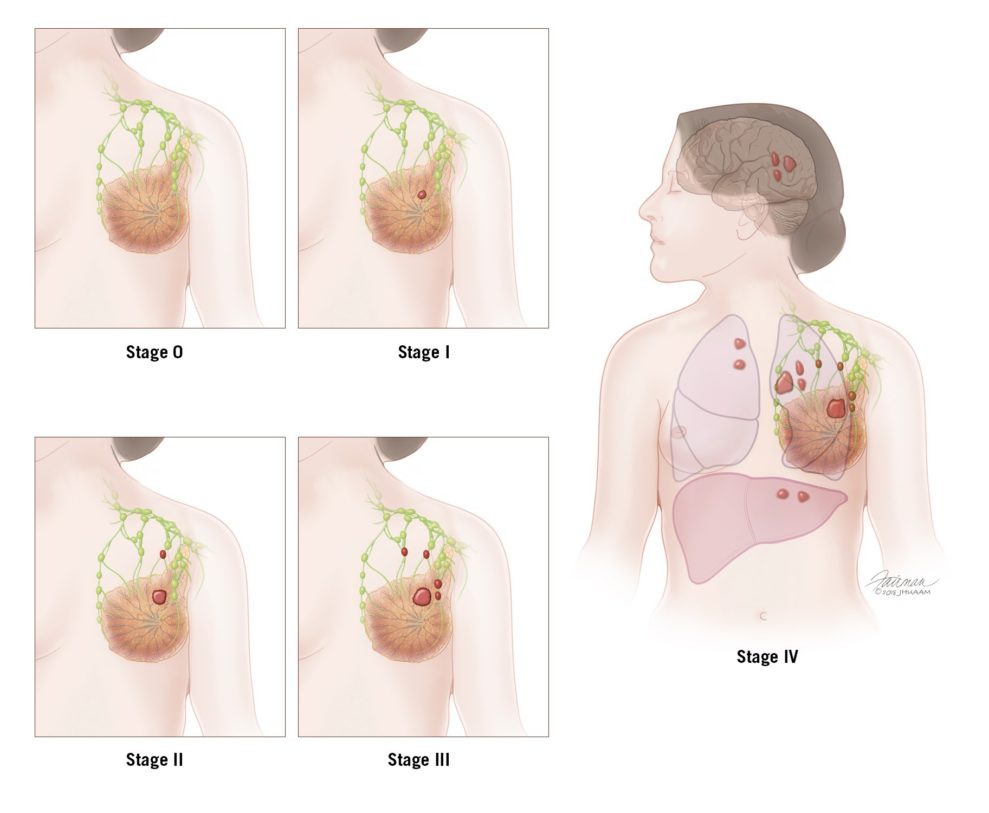
Staging Grade Breast Pathology Johns Hopkins Pathology
Classification 1 Pseudomyxoma Peritonei Pmp Contains Benign Or Borderline Epithelial Cells Or Cells From Well Differ Disease Secondary Health

Pin On Browsegrades Com

Grade 9 Grammar Lesson 25 Must Mustn T And Needn T Grammar Lessons Teaching English Grammar English Grammar
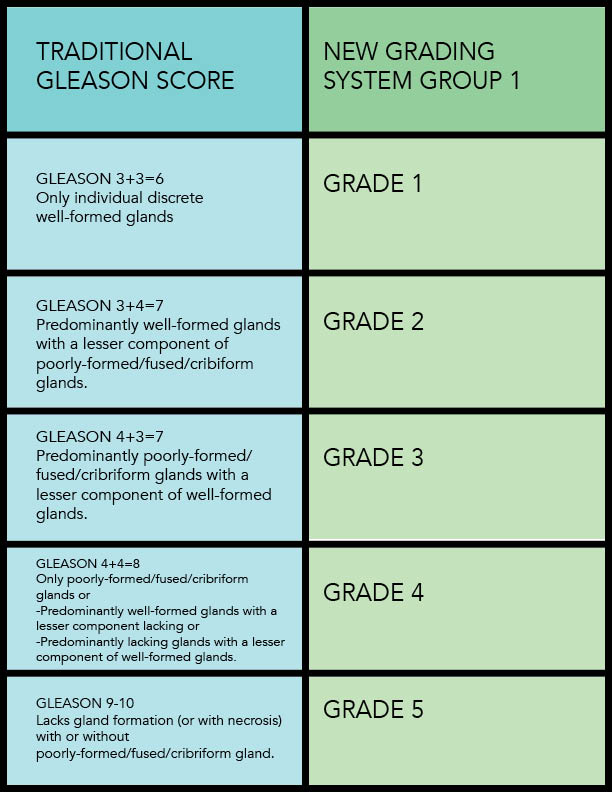
Gleason Score Prostate Conditions

Pin On Breast Cancer
Staging Grade Breast Pathology Johns Hopkins Pathology

Pin By Koren Something On Pediatric Cancer Awareness Childhood Cancer Childhood Cancer Awareness Month Childhood Cancer Awareness

Staging And Grading Zero The End Of Prostate Cancer
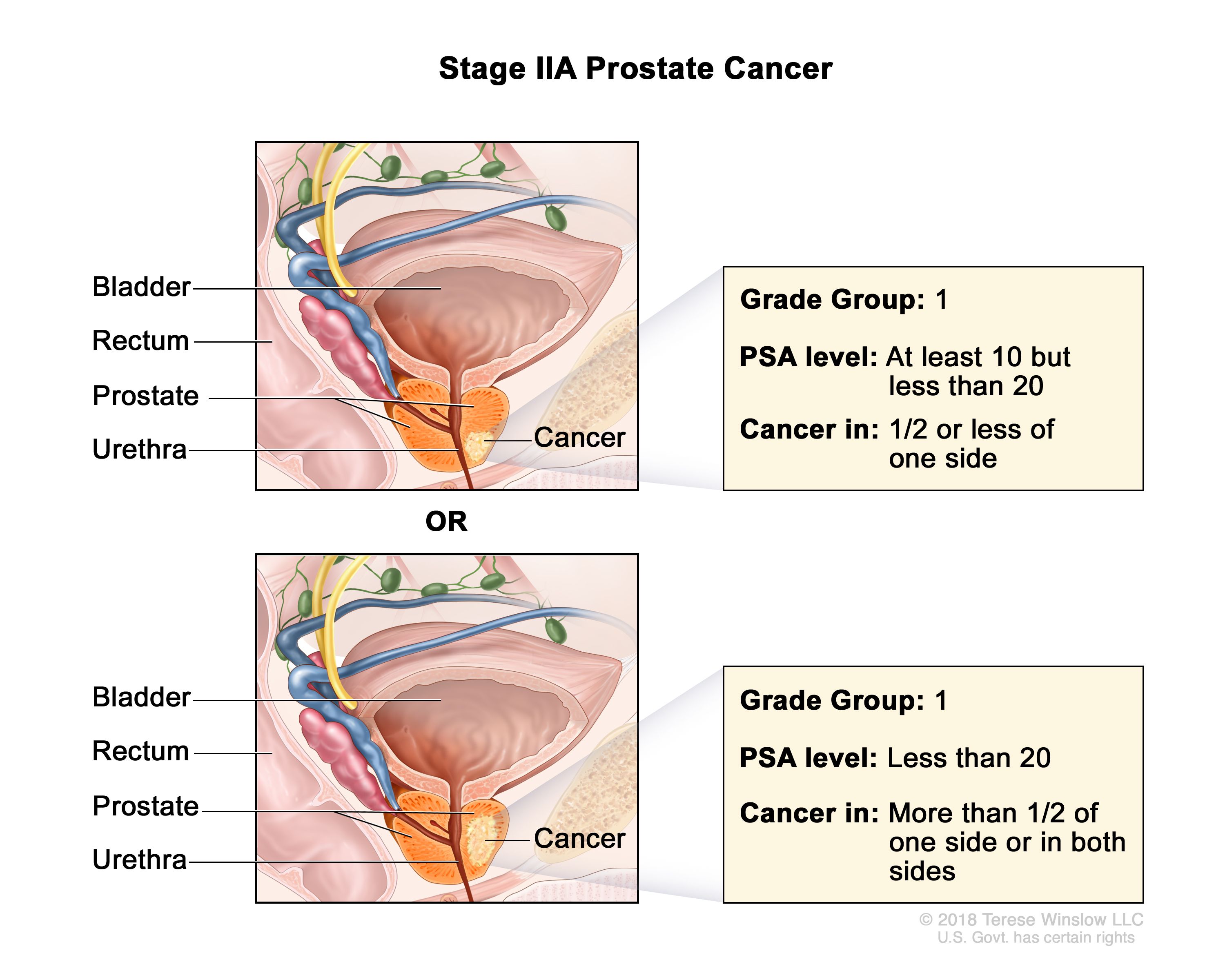
Definition Of Stage Ii Prostate Cancer Nci Dictionary Of Cancer Terms National Cancer Institute
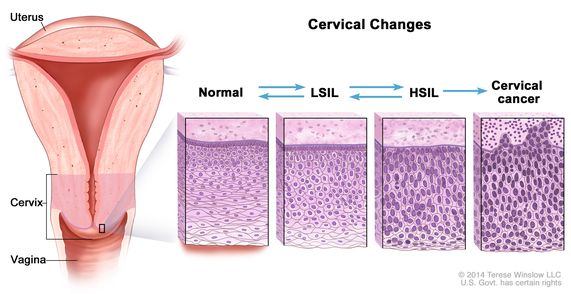
Definition Of Low Grade Squamous Intraepithelial Lesion Nci Dictionary Of Cancer Terms National Cancer Institute

What Is Stage 1 Cancer How Is Stage 1 Cancer Treated Ctca

Pin On Breast Self Examination What Does The Research Say

Pin On Donna Jean Ford 4 16 60 2 14 09
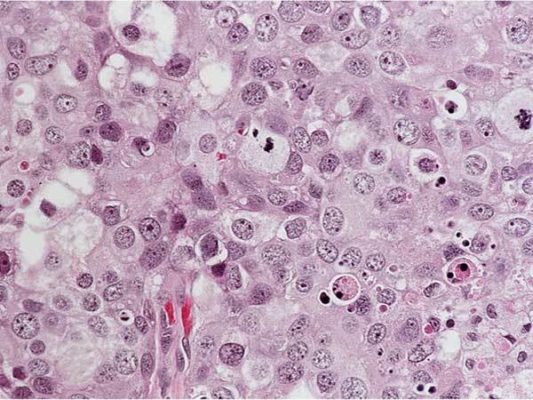
Staging Grade Breast Pathology Johns Hopkins Pathology

Grading Of Anemia According To The National Cancer Institute Download Table
Staging Grade Breast Pathology Johns Hopkins Pathology

Stage 1 Breast Cancer Cancer Research Uk
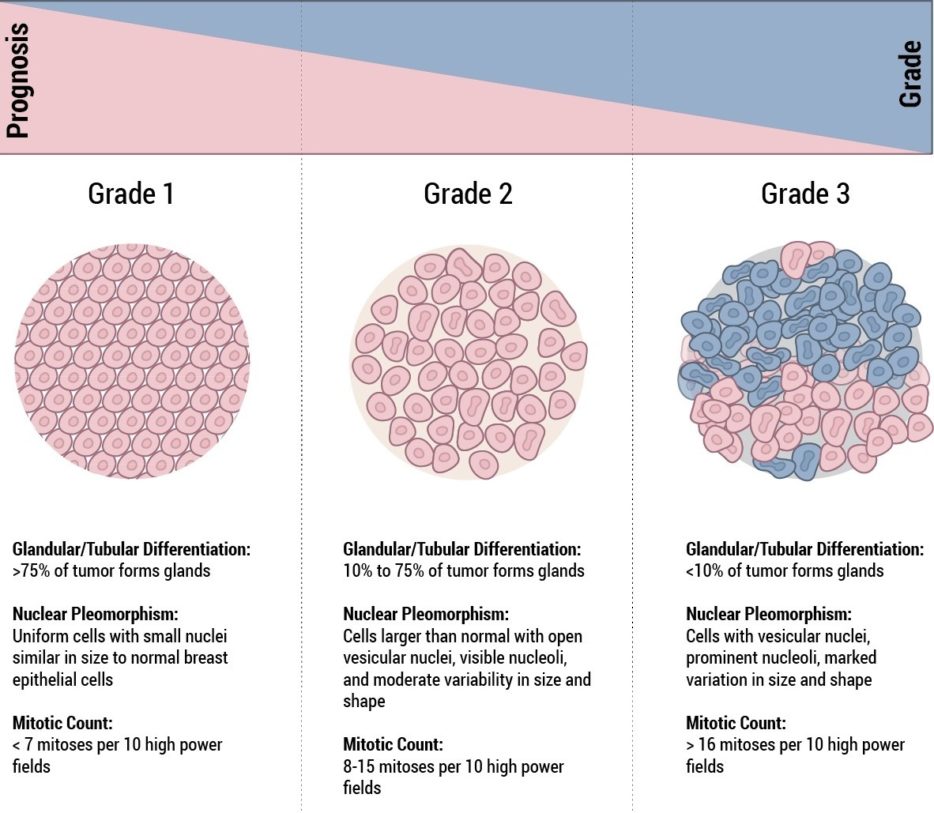
Staging Grade Breast Pathology Johns Hopkins Pathology